Article 19 — Flags of Kaharagia
-
1.
The Standard of the Sovereign is a square banner, in the ratio of 1:1, bearing the arms of Kaharagia, which are at once the personal arms of the Sovereign and the Arms of Dominion.
- The official blazon of the arms is: Gules, a ducally crowned griffin passant Or, armed Or, holding in the dexter claw a scimitar Argent hilted Or; the field semé of mullets of six points Or.
- In plain description, the arms show a gold griffin, crowned with a ducal coronet of three visible strawberry leaves and holding in its raised right claw a scimitar with a gold hilt and a silver blade, upon a red field strewn throughout with gold six-pointed stars.
- The Standard is the personal standard of the Sovereign and takes precedence over every other flag of Kaharagia.
- The Standard is flown only when the Sovereign is in residence or present at an official occasion, or as otherwise authorised by the Sovereign, and it is never flown at half-mast.
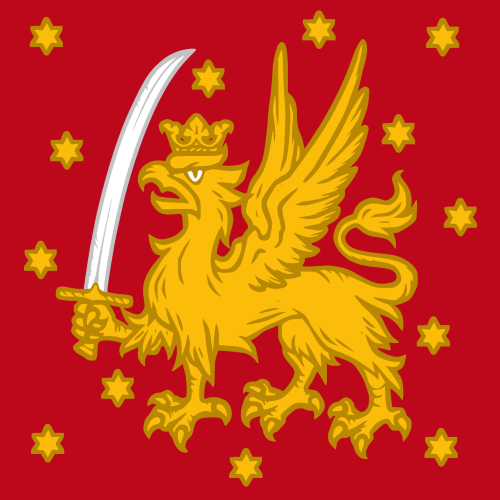
Plate I. The Standard of the Sovereign (1:1). -
2.
The Civil and National Flag of Kaharagia is a red field bearing a gold six-pointed star above a gold scimitar, in the ratio of 4:3. It is the primary flag of the State and represents Kaharagia as a whole, being the flag of the general public and the flag by which the Kaharagian State and Nation are together represented.
- The Civil and National Flag may be flown, displayed, and reproduced by any person without licence or restriction, provided that its use is not misleading as to official authority; and no flag of Kaharagia, other than the Standard of the Sovereign, takes precedence over it.
- The colours of the flag are drawn from the Royal Arms. The red represents the determination, the bravery, and the blood of the Kaharagian people, and the gold represents the people as the “Noble People”, that being the meaning of the word “Kaharagian” in the Kaharagian language.
- The star and the scimitar are likewise drawn from the Royal Arms. The scimitar signifies the readiness of the people to defend the Nation, and the star signifies the Six Principles of the Kaharagian Nation, namely Sovereignty, Dignity, Peace, Charity, Honour, and Stewardship.
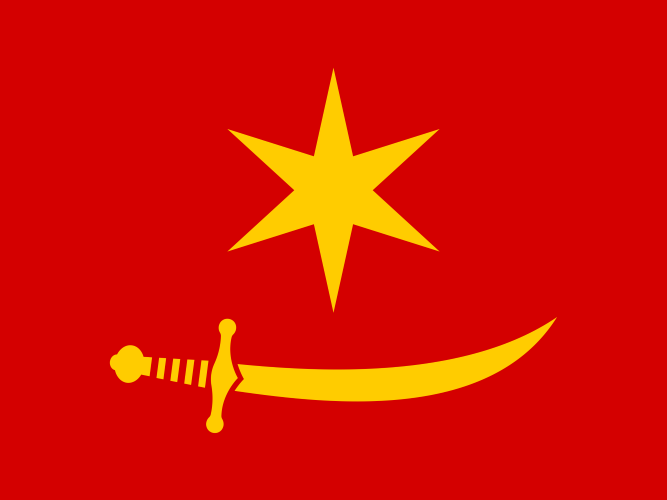
Plate II. The Civil and National Flag (4:3). -
3.
The State Flag of Kaharagia is a red field within a gold orle, bearing a gold six-pointed star above a gold scimitar, in the ratio of 4:3.
- The orle is the sole distinction between the State Flag and the Civil and National Flag.
- The State Flag is reserved to the government of the State, its agencies, and duly authorised officials, and shall not be flown as an official flag by any other person.
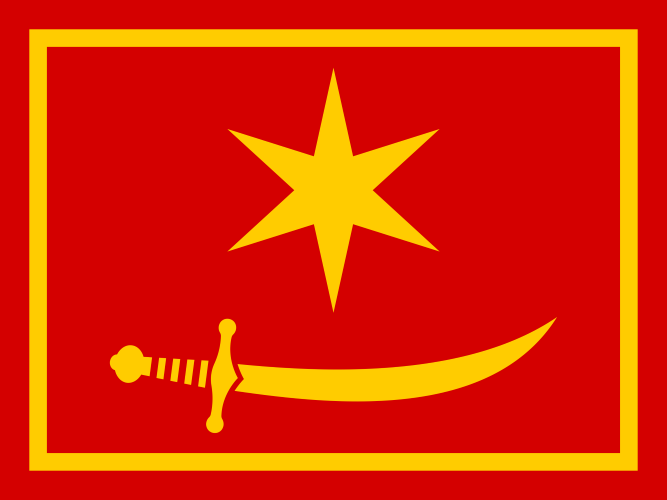
Plate III. The State Flag (4:3). -
4.
The Saint Michael’s Flag is an official flag of Kaharagia, being the flag of the supreme order of Kaharagia and of its patron saint, Michael the Archangel.
- The Saint Michael’s Flag is a gold field bearing a centred black cross, blazoned Or, a cross sable.
- No ratio is fixed for the Saint Michael’s Flag; where it is flown together with the Civil and National Flag or the State Flag, it should be made in the ratio of 4:3, though this is a recommendation and not a requirement.
-
5.
The Kaharagian Flag-flying Days, being the days on which the flags of Kaharagia are flown, are:
- 1 January, New Year’s Day
- 12 March, the Sovereign’s Name Day
- Easter Day
- 1 May, International Workers’ Day
- 8 May, Saint Michael’s Day
- 9 June, the Birthday of Her Highness Princess Gloria, The Countess Ericksen
- 16 July, Foundation Day
- 23 October, Prince’s Day, being the Birthday of the Sovereign
- the second Sunday in November, Remembrance Sunday
- 25 December, Christmas Day
- any other day designated by the Sovereign.
Kaharagians are encouraged to fly their flag on every day.
-
6.
The specifications, ratios, precedence, and protocol governing the flags of Kaharagia are established by Sovereign Decree.
-
7.
No person shall present as an official flag of the State any flag that does not conform to the registered specification, except as authorised by the Sovereign.
How to cite
FN Art. 19 — “Flags of Kaharagia”, Fundamental Laws of Kaharagia (2026).